γ1
Licorice
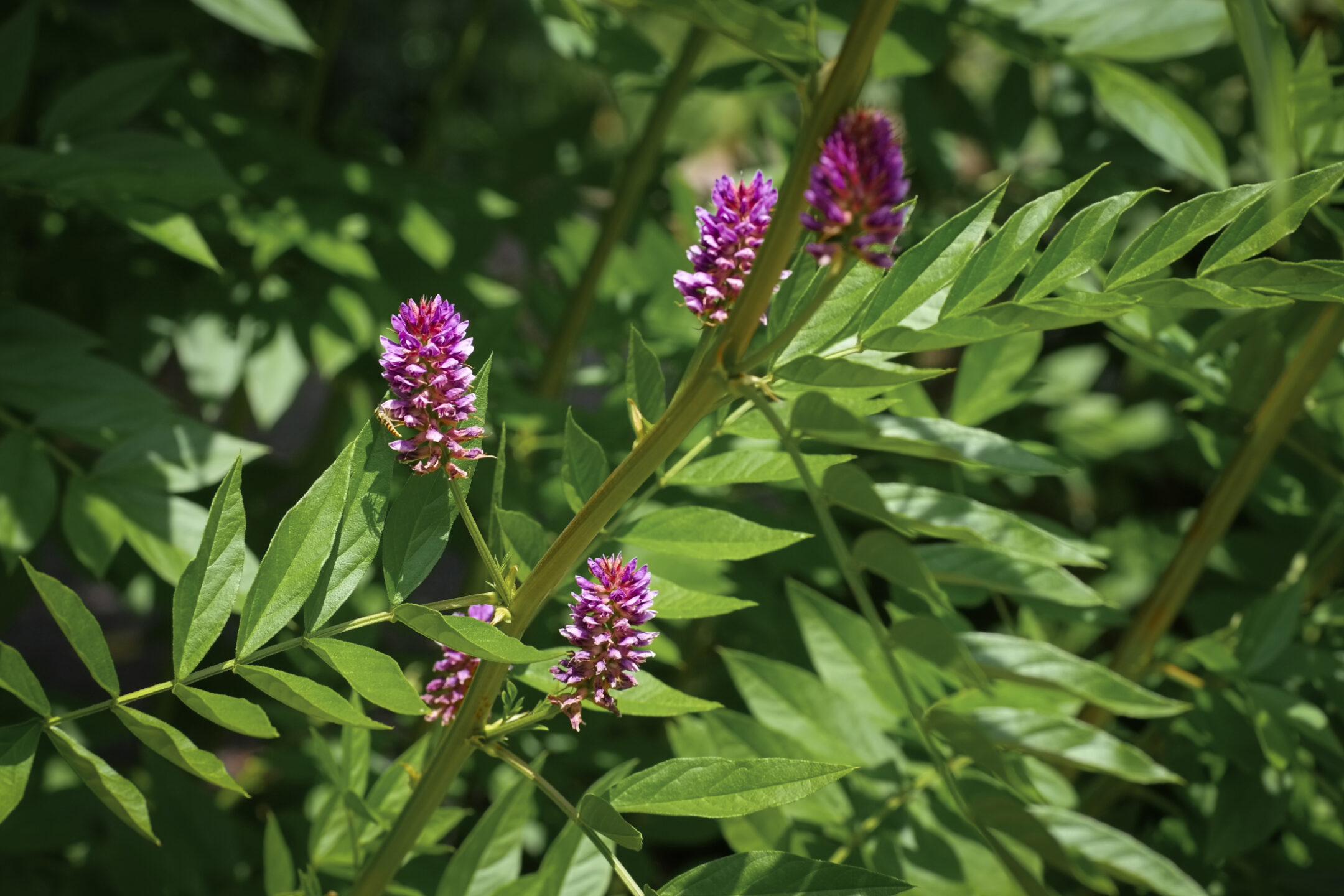
Licorice (Glycyrrhiza glabra), from the Greek glykys (sweet) and rhiza (root), is a plant of quiet paradox, outwardly simple, inwardly intricate. Beneath her sweetness lies glycyrrhizin, a saponin many times sweeter than sugar, capable of modulating cortisol metabolism, tempering inflammation, and engaging antiviral defense. Her roots, adapted to harsh soils, hold a layered chemistry: flavonoids such as liquiritin and glabridin lend antioxidant and neuroprotective strength, while coumarins and phenolic acids support vascular balance. Mucilages and polysaccharides soften and soothe, coating the gut and respiratory tract with a gentle, protective presence. Across traditions, she is not a forceful agent but a mediator. In Ayurveda and Traditional Chinese Medicine, she harmonizes formulas, amplifying the action of others while tempering excess. Modern pharmacology echoes this view, recognizing her antiviral, hepatoprotective, and immunomodulatory roles. She does not act through intensity, but through regulation. In her, identity settles into balance: a self that shapes inflammation, endocrine rhythm, and systemic tone with subtle, sustained precision.