The many selves of
Digitalis
Genius = 0.92 | GOS = 0.67 | COS = 1.00
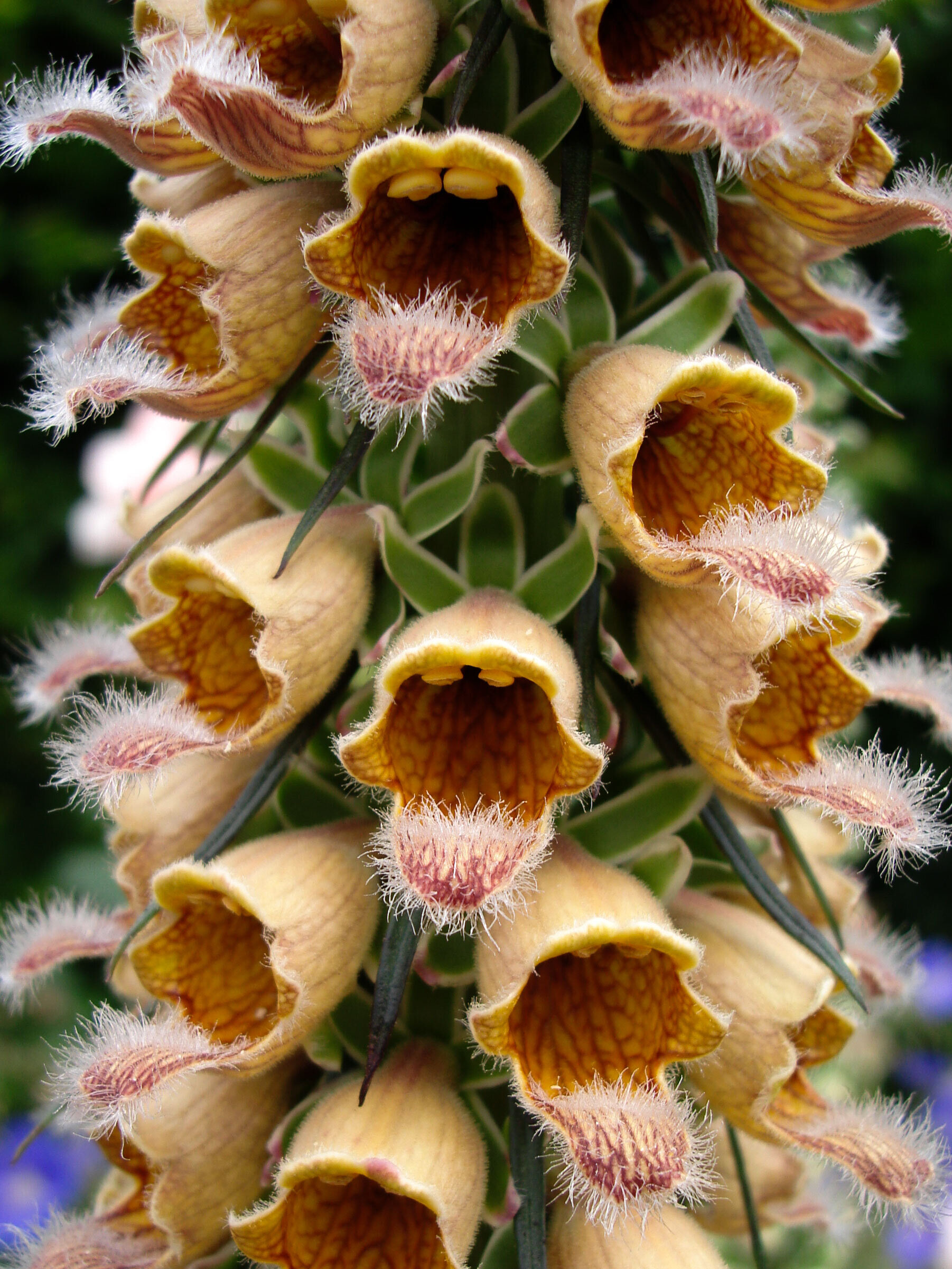
Digitalis enters the Garden of Many Selves with the gravity of precision and the clarity of controlled danger. A genus of approximately 23 species within the Plantaginaceae, distributed across Europe, western Asia, and North Africa, she occupies forest clearings, rocky slopes, and disturbed soils where light and toxicity coexist in careful balance. Her organizing principle lies in regulation: a lineage in which biochemical potency is concentrated, disciplined, and evolutionarily refined rather than broadly diversified.
Genomically, the genus remains comparatively contained, with clear species boundaries, limited natural hybridization, and moderate ploidy variation. Evolutionary diversification is expressed less through species expansion than through precise modulation of developmental and biosynthetic architecture, particularly within Digitalis purpurea.
Chemically, Digitalis expresses one of the most specialized metabolite systems in the Garden, dominated by cardiac glycosides including digitoxin, digoxin, and related cardenolides. Variability across species is focused primarily on glycoside composition and concentration, reflecting tightly regulated biosynthetic pathways that produce profound physiological activity within extremely narrow therapeutic thresholds. This chemical system does not tolerate dispersion. Its power lies not in diversity, but in confinement, a narrowing of variation into an almost singular biochemical trajectory.
Across these many selves, variation narrows rather than expands, a genus that does not diffuse into multiplicity, but resolves into precise and concentrated biological power.