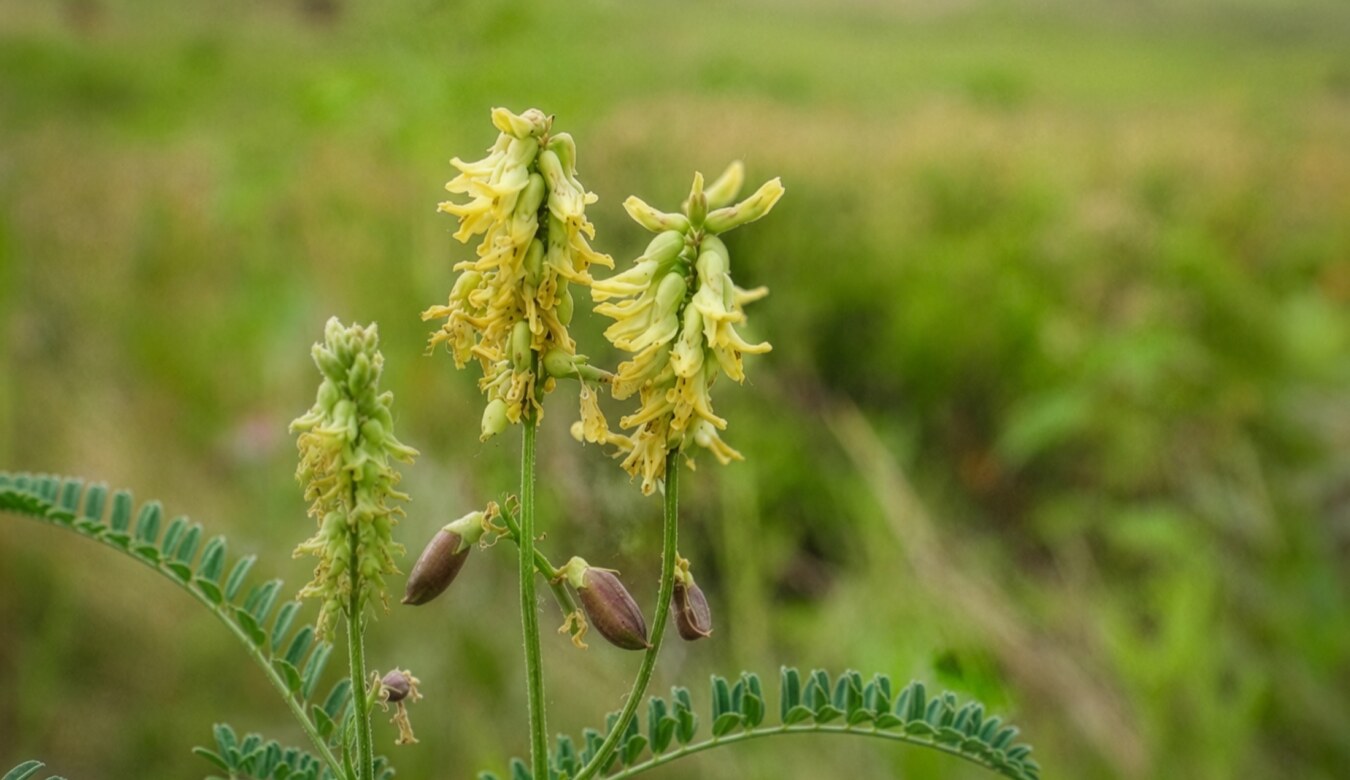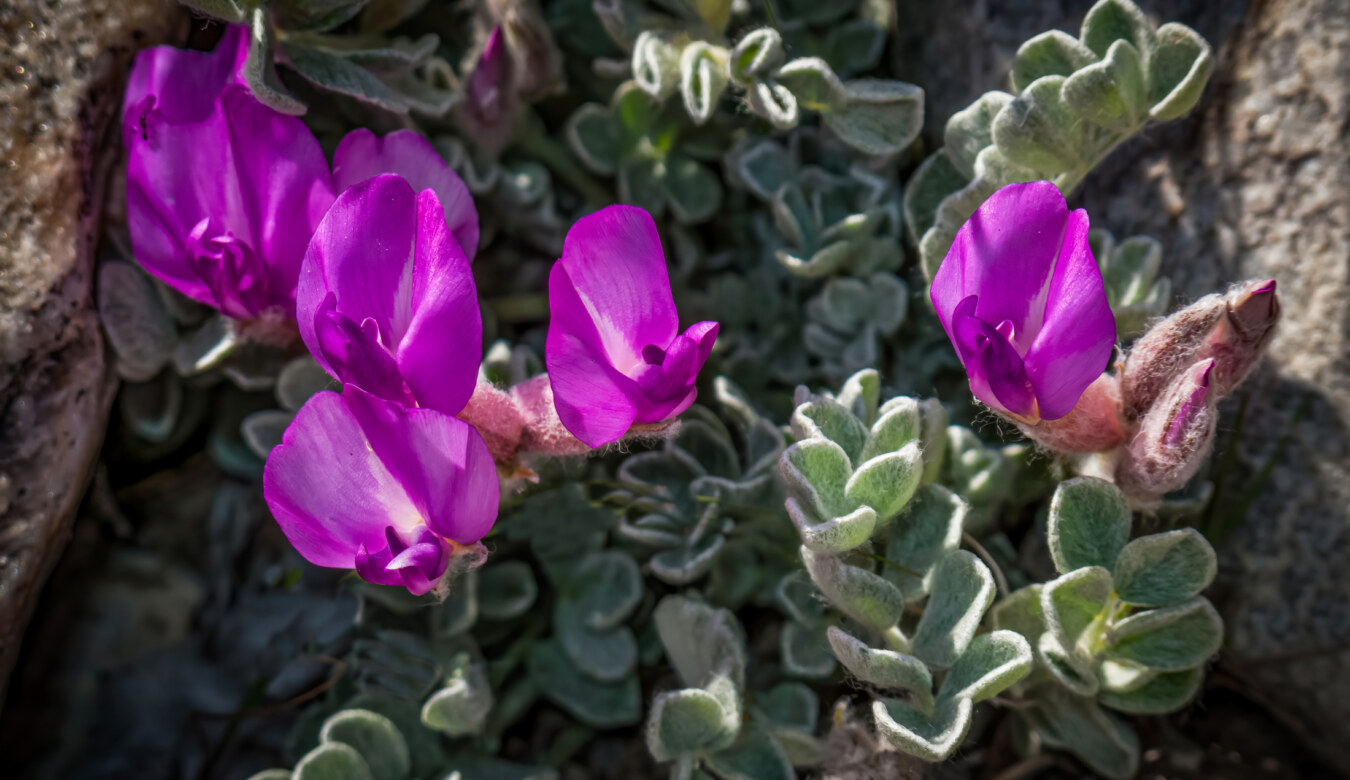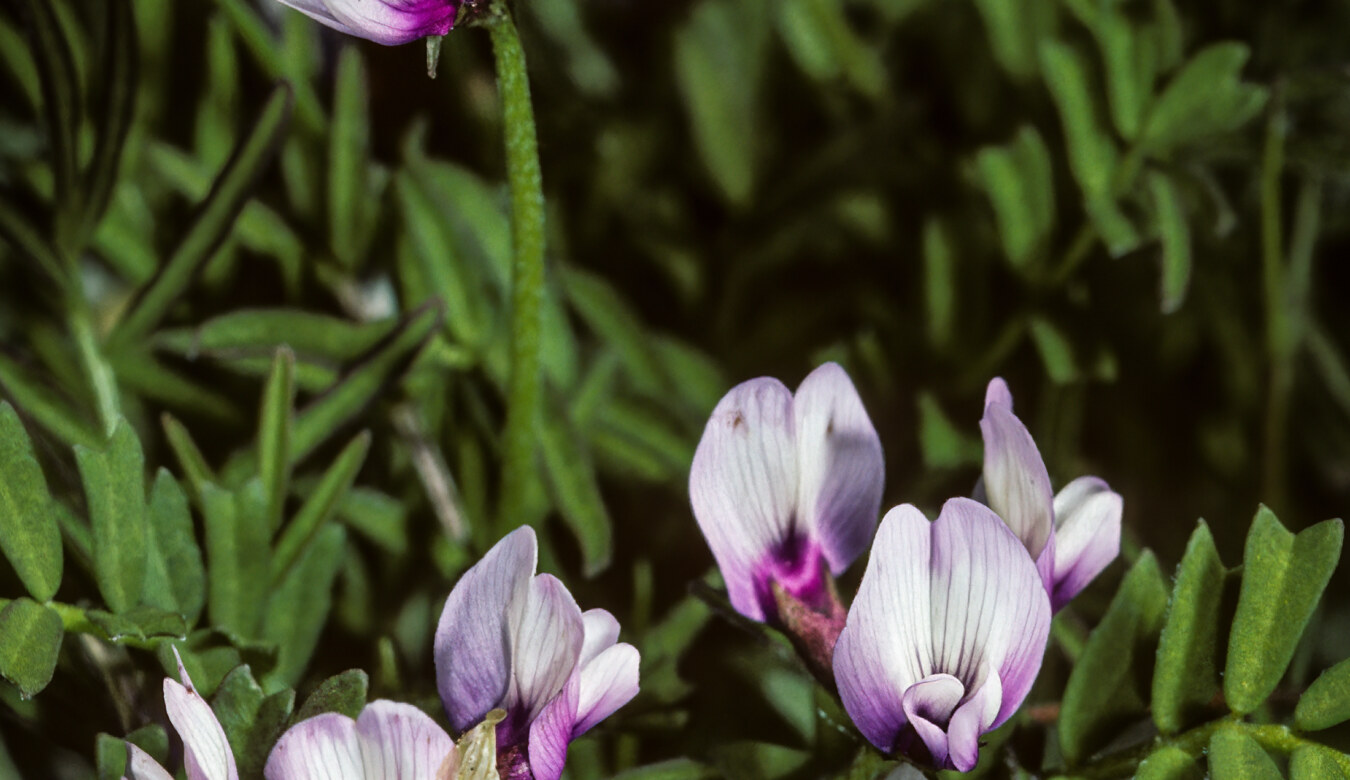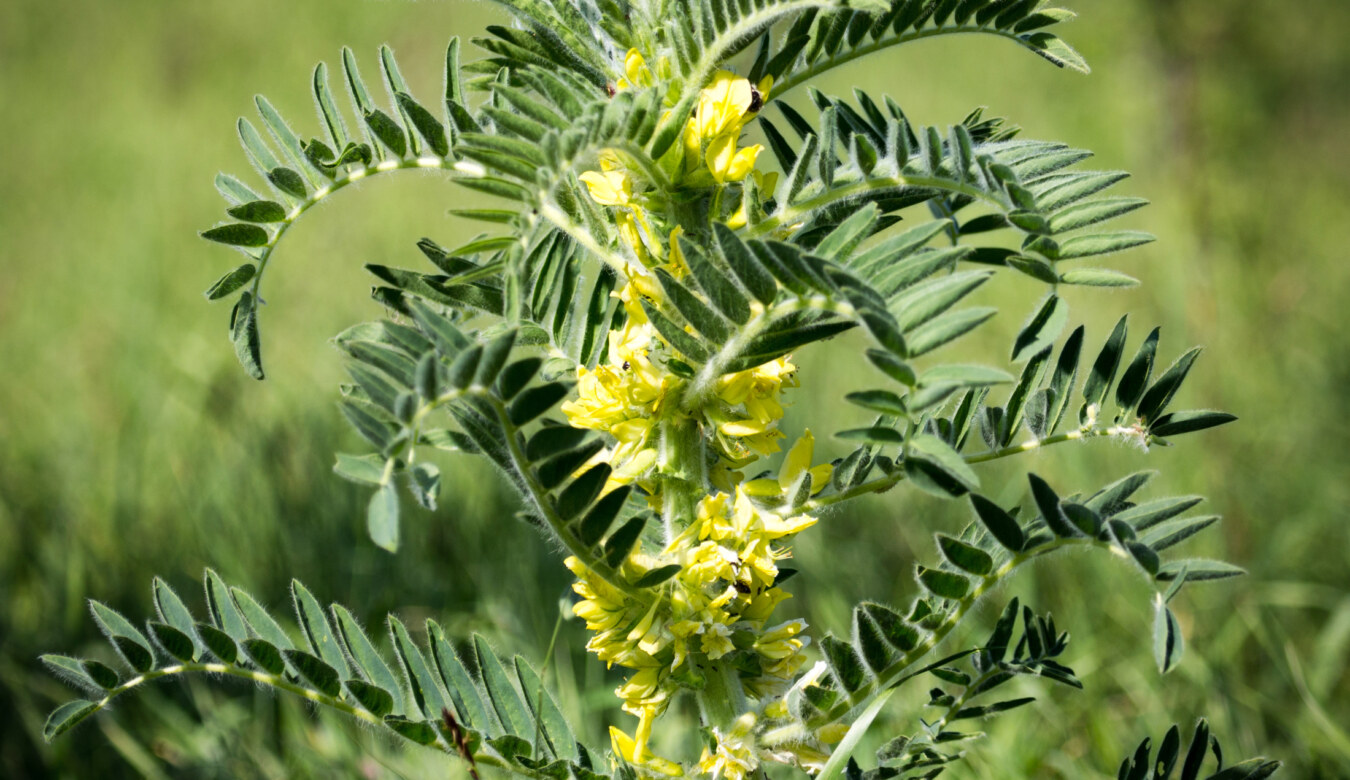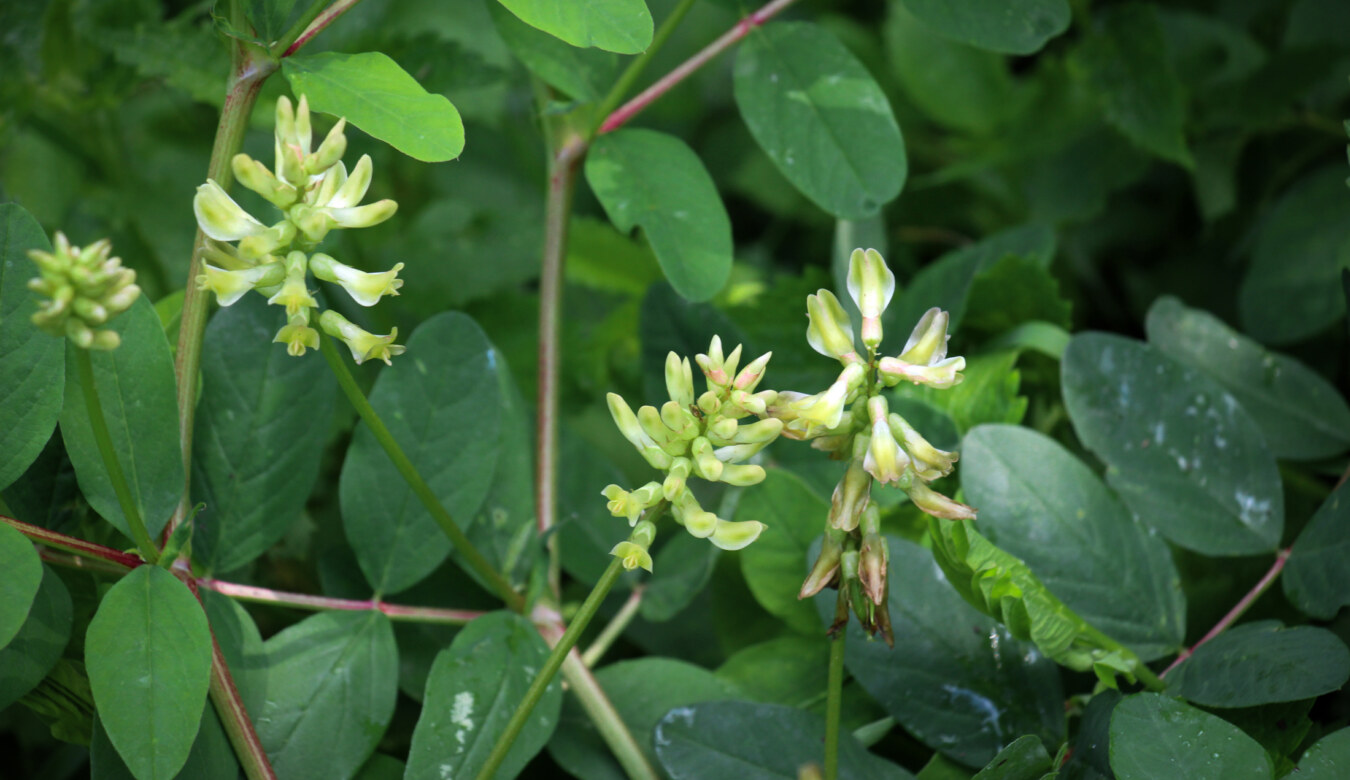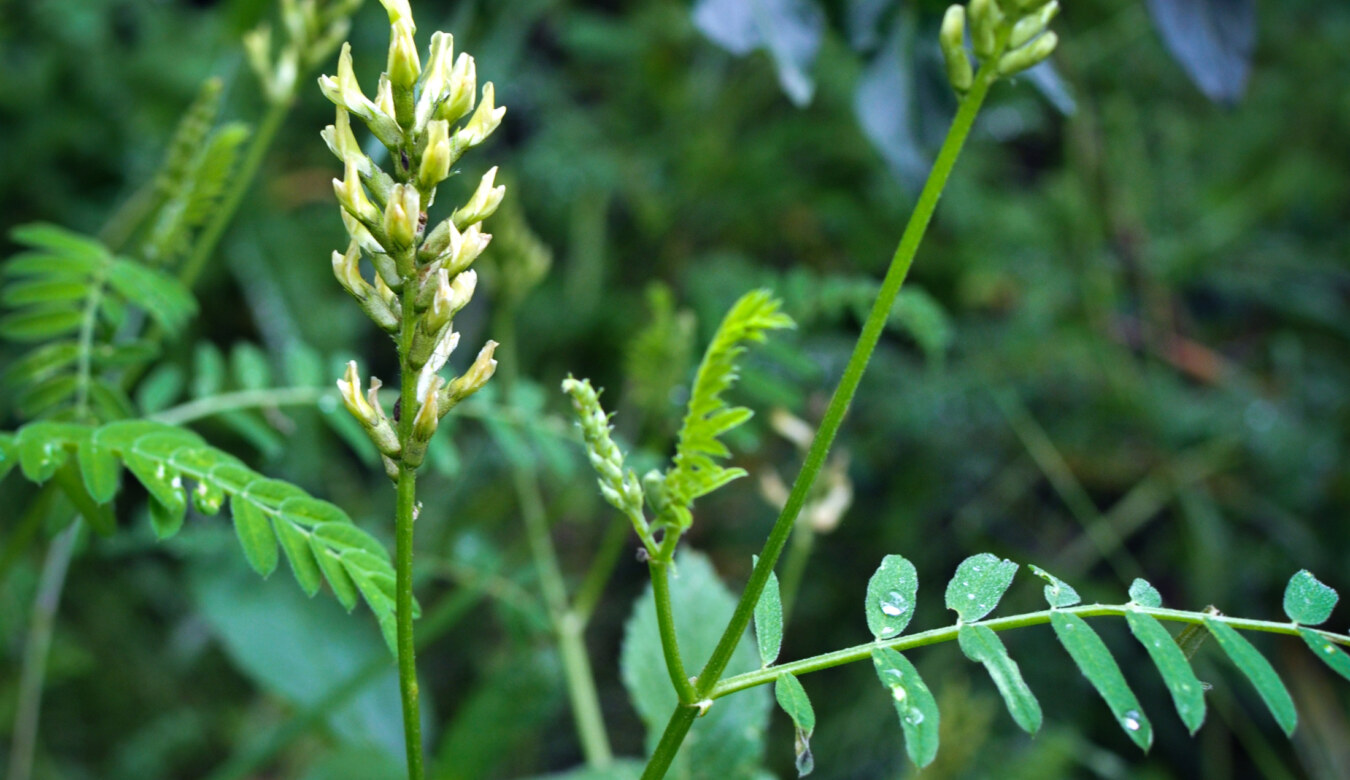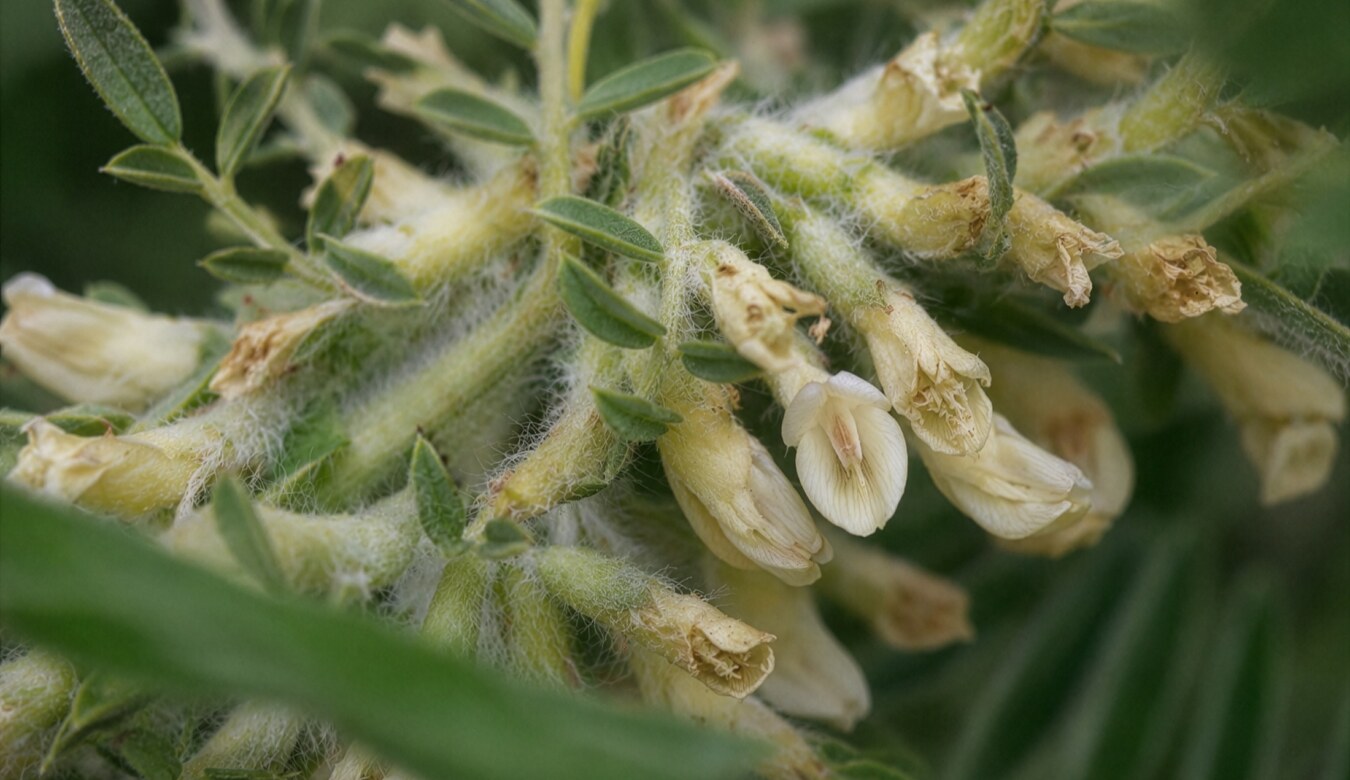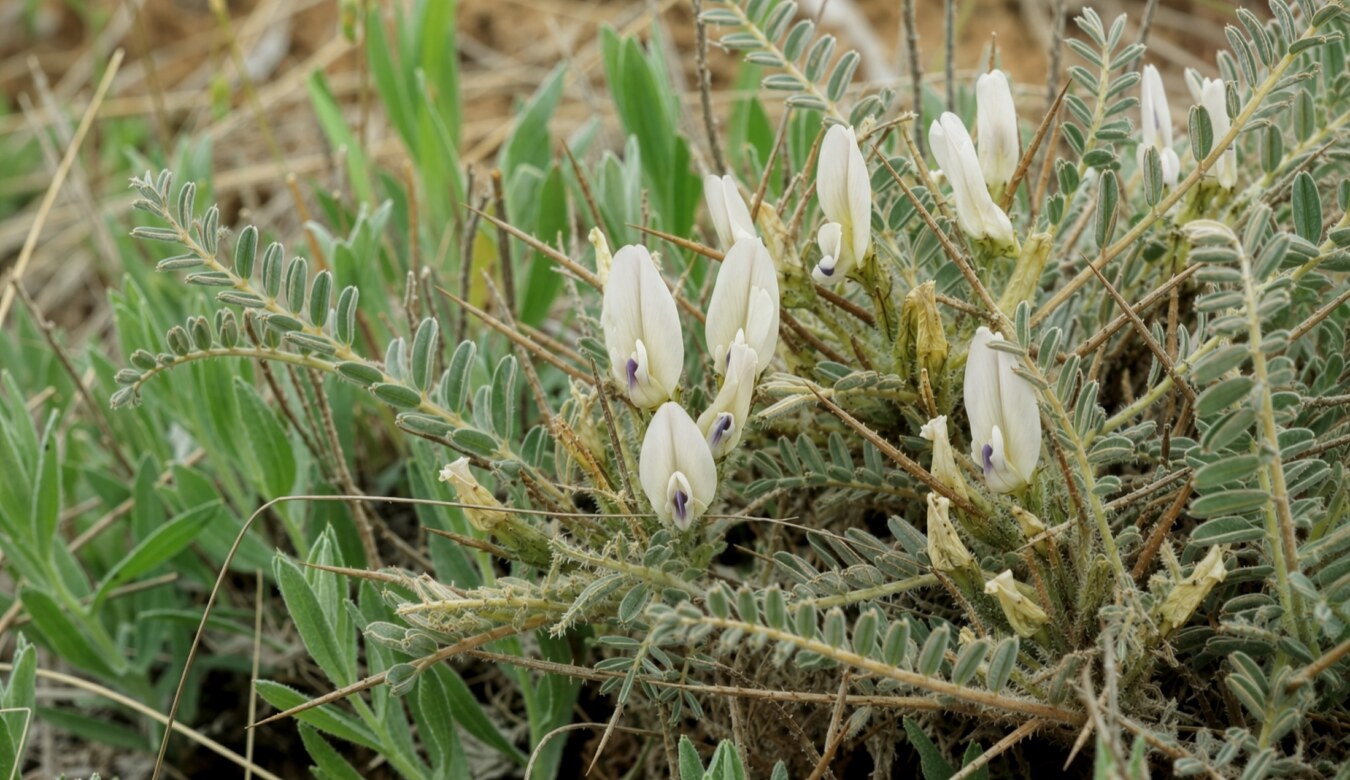
Gamma selves of Astragalus
Alpinus Milkvetch
453 γ1 Alpinus Milkvetch
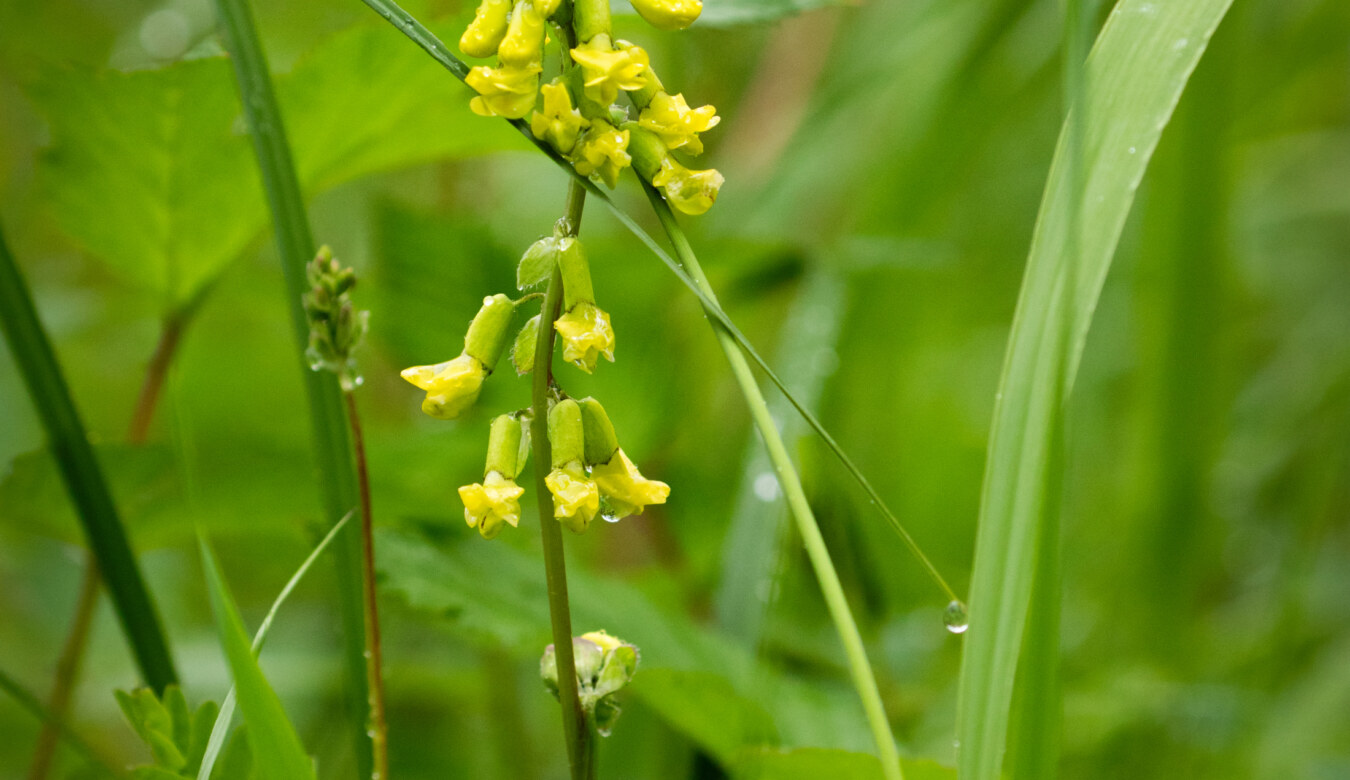
Foxtail Milkvetch
454 γ1 Foxtail Milkvetch
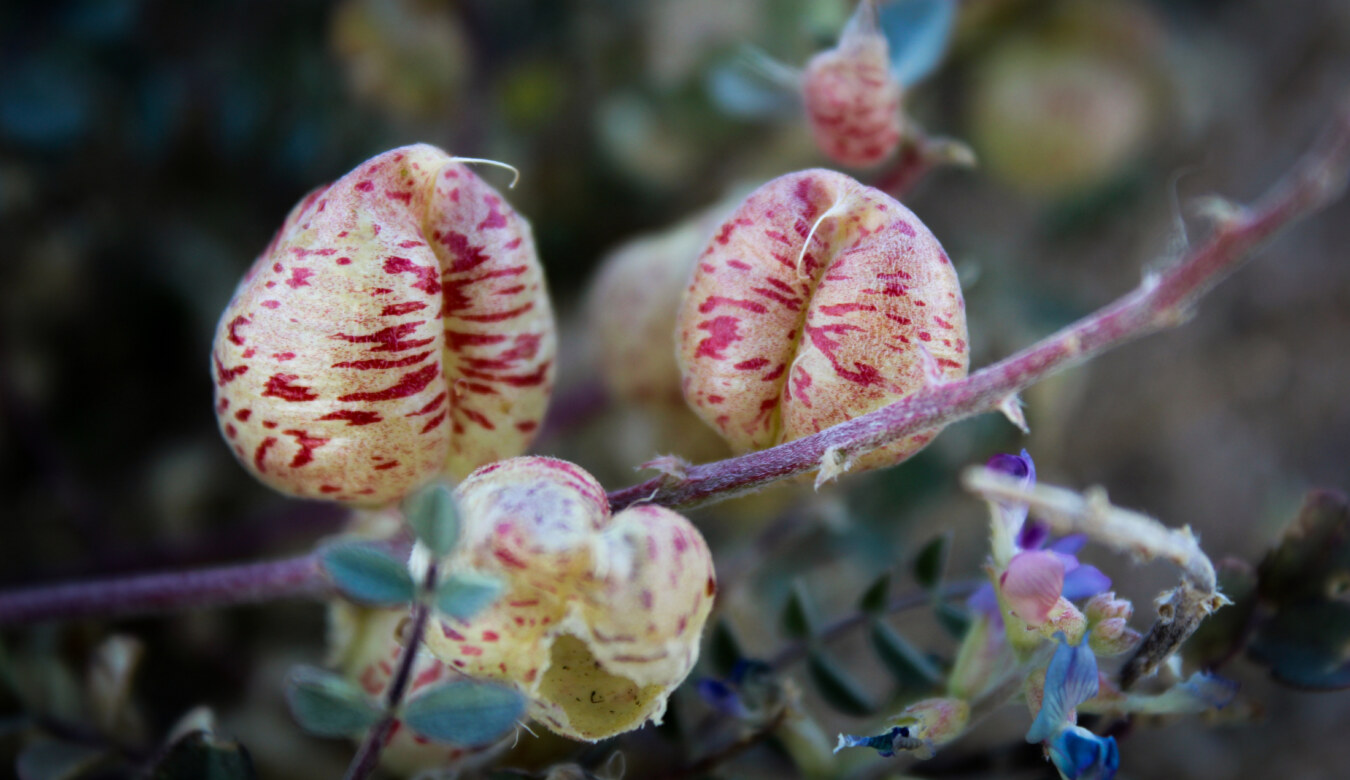
Spotted Milkvetch
455 γ1 Spotted Milkvetch
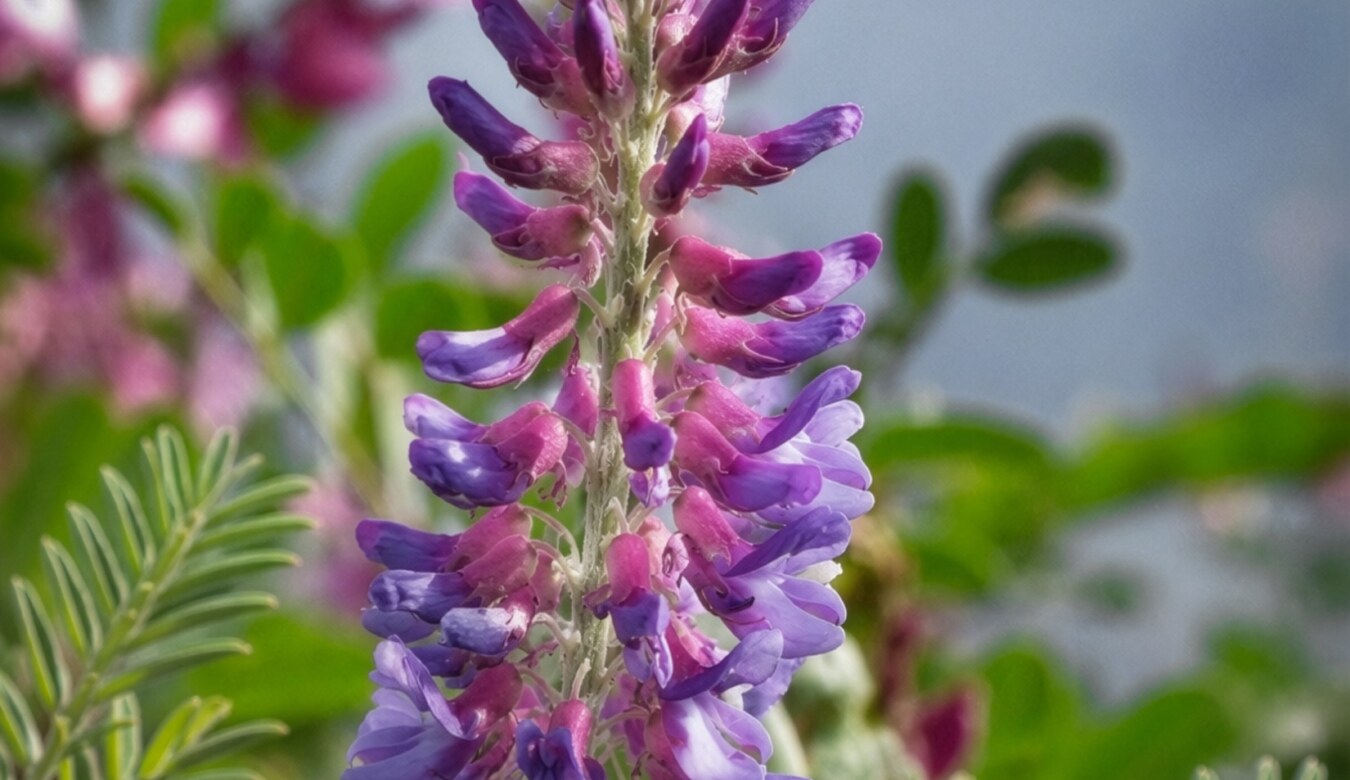
Purple Milkvetch
456 γ1 Purple Milkvetch
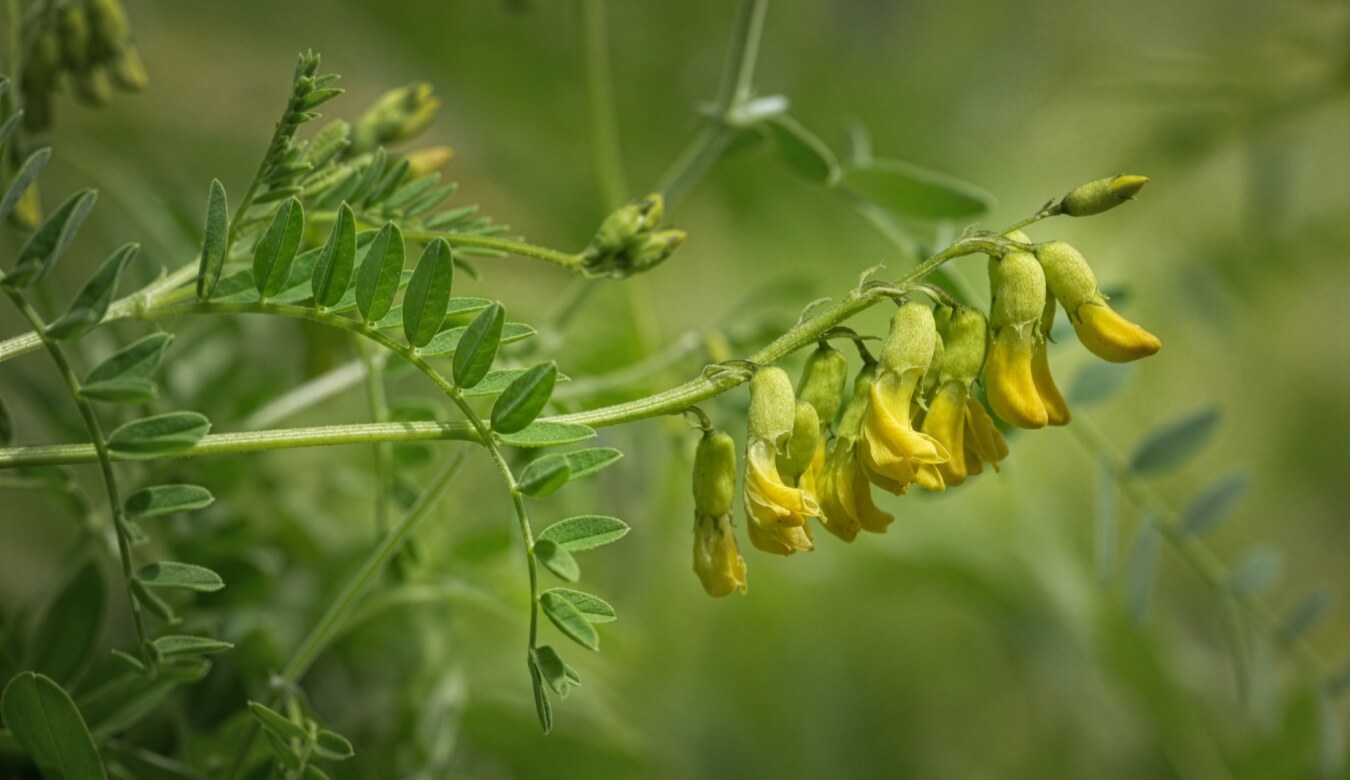
Pendulous-Flowered Milkvetch
457 γ1 Pendulous-Flowered Milkvetch
Two-Grooved Milkvetch
458 γ2 Two-Grooved Milkvetch
Canadian Milkvetch
459 γ2 Canadian Milkvetch
Buffalo Plum
460 γ2 Buffalo Plum
Missouri Milkvetch
461 γ2 Missouri Milkvetch
Crescent Milkvetch
462 γ2 Crescent Milkvetch
Long Milkvetch
463 γ2 Long Milkvetch
Pursh’s Milkvetch
464 γ2 Pursh’s Milkvetch
Nuttall’s Milkvetch
465 γ2 Nuttall’s Milkvetch
Huang Qi
466 γ3 Huang Qi
Mongolian Milkvetch
467 γ3 Mongolian Milkvetch
Chinese Milkvetch
468 γ3 Chinese Milkvetch
Hoantchy Milkvetch
469 γ3 Hoantchy Milkvetch
Hedgehog Milkvetch
470 γ3 Hedgehog Milkvetch
Flatpod Milkvetch
471 γ3 Flatpod Milkvetch
Creeping Milkvetch
472 γ3 Creeping Milkvetch
Montpellier Milkvetch
473 γ4 Montpellier Milkvetch
Balearic Milkvetch
474 γ4 Balearic Milkvetch
Portuguese Milkvetch
475 γ4 Portuguese Milkvetch
Eastern Echo
476 γ4 Eastern Echo
Cretan Milkvetch
477 γ4 Cretan Milkvetch
Armed Milkvetch
478 γ4 Armed Milkvetch
Wild Licorice
479 γ5 Wild Licorice
Chickpea Milkvetch
480 γ5 Chickpea Milkvetch
Gum Tragacanth
481 γ6 Gum Tragacanth
Goat’s-thorn Milkvetch
482 γ6 Goat’s-thorn Milkvetch
Small-head Milkvetch
483 γ7 Small-head Milkvetch
Desert Milkvetch
484 γ7 Desert Milkvetch
Sickle Milkvetch
485 γ7 Sickle Milkvetch

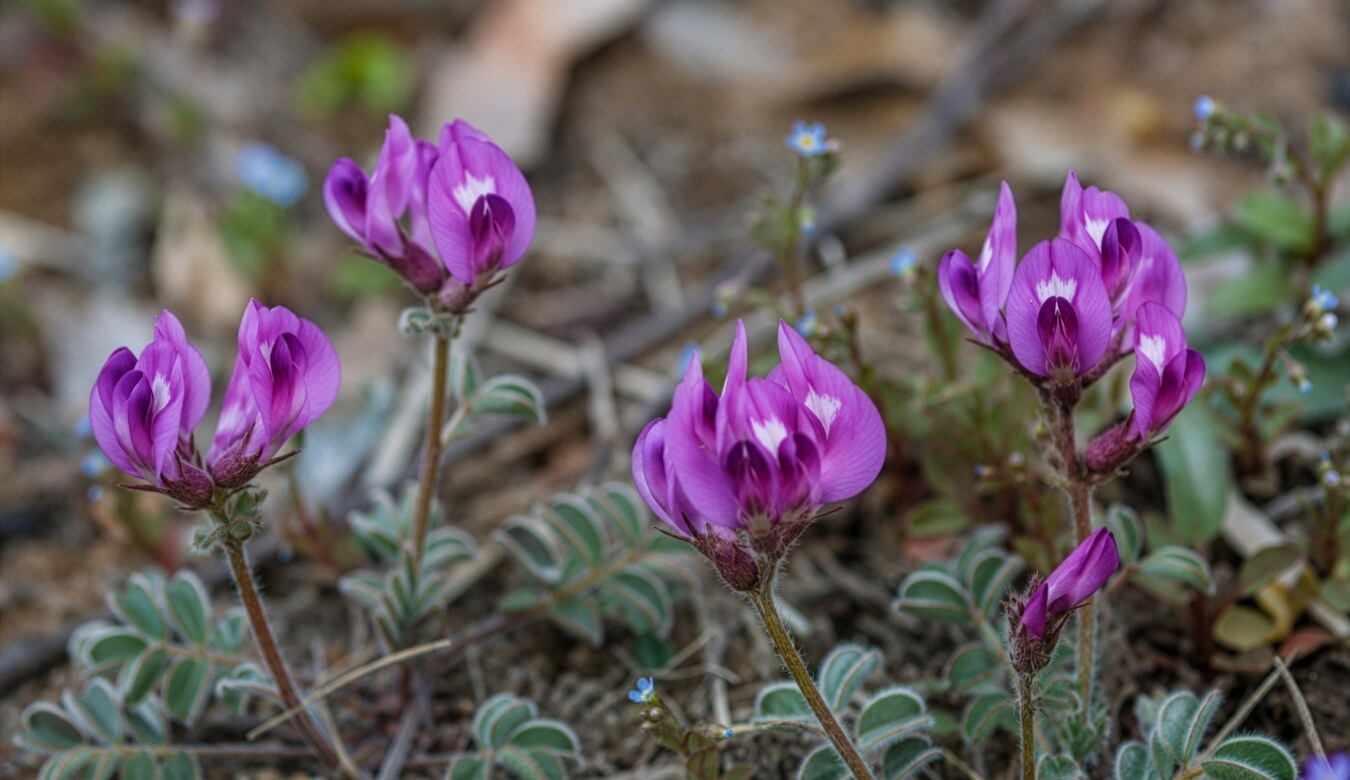
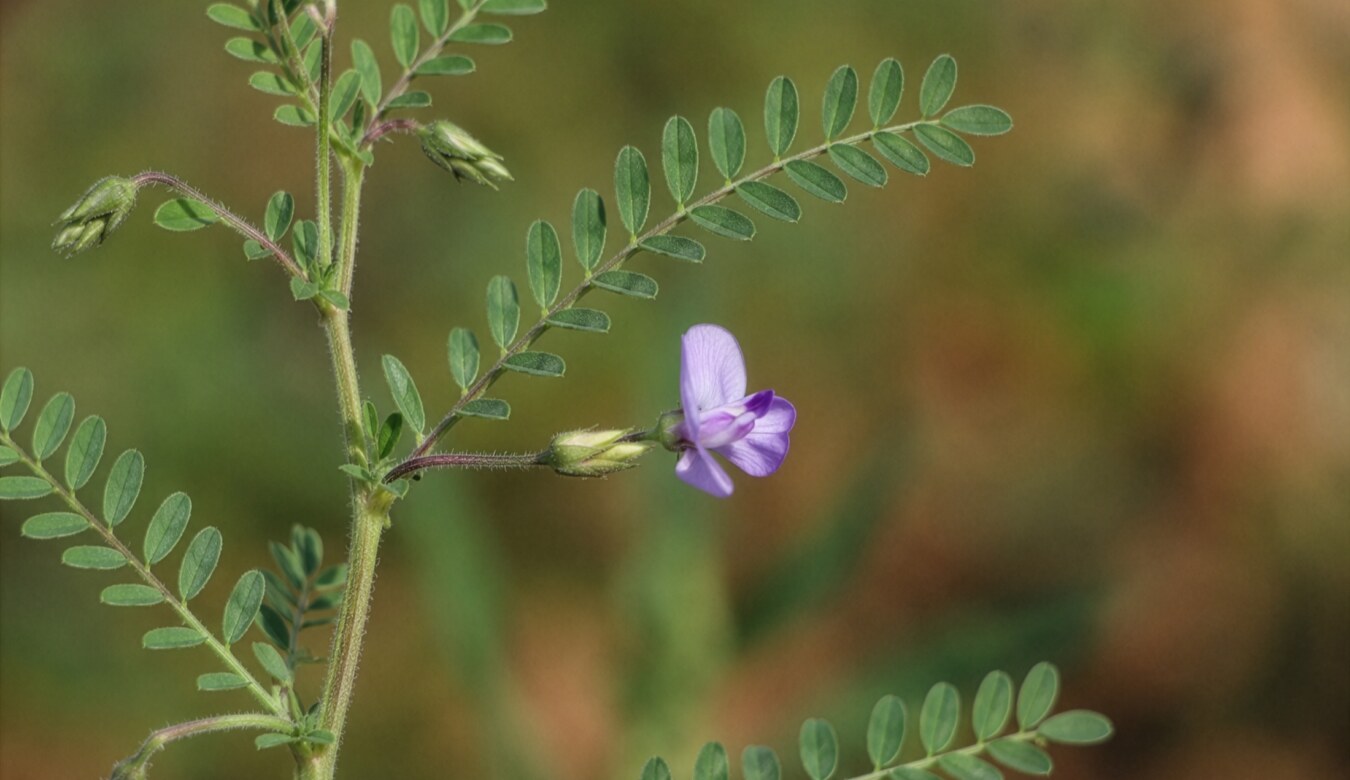
Where Astragalus thrives in high-altitude habitats, adapted to cold, rocky soils and short growing seasons. Their presence is quiet, persistent, and often hidden in the folds of mountain terrain.

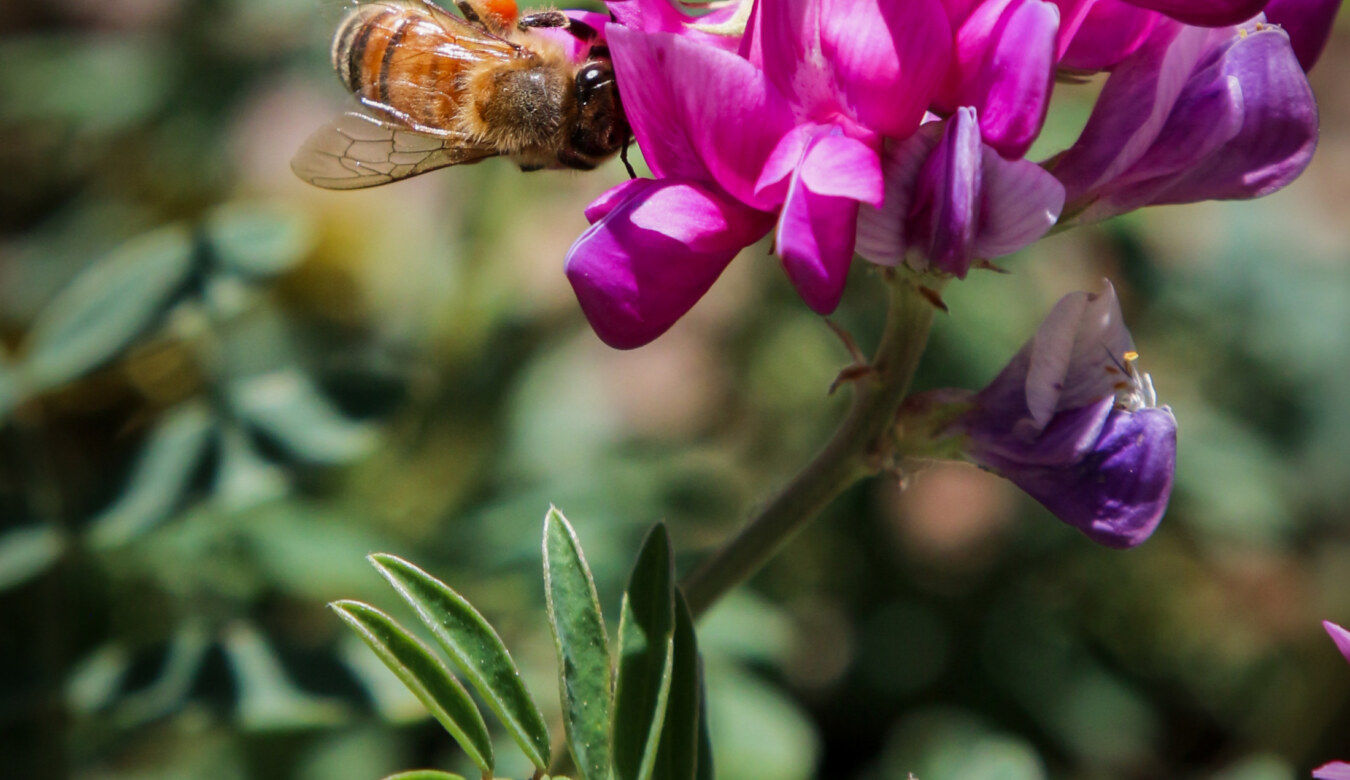
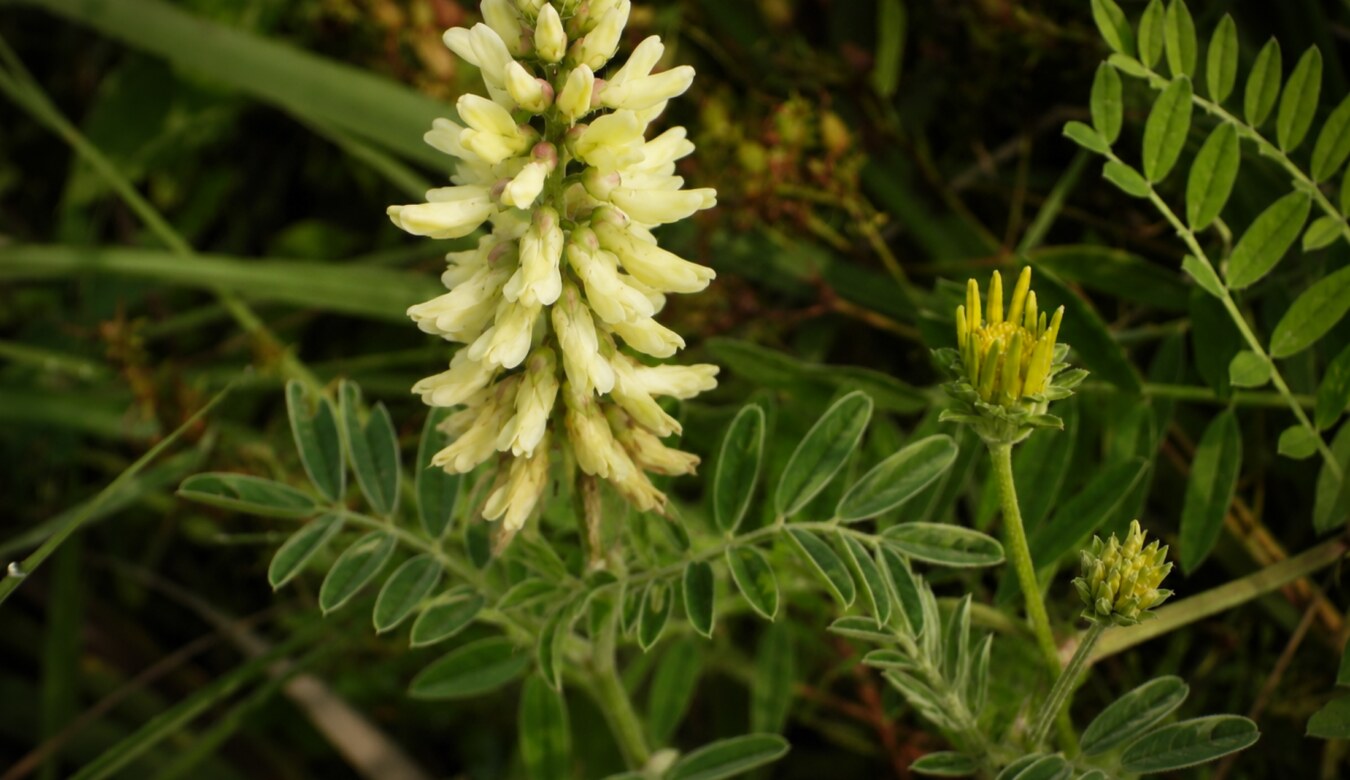
Where Astragalus endures through openness and drought. These species are native to grasslands and plains, often deep-rooted and tolerant of dry conditions. They stabilize soil, nourish pollinators, and embody resilience.

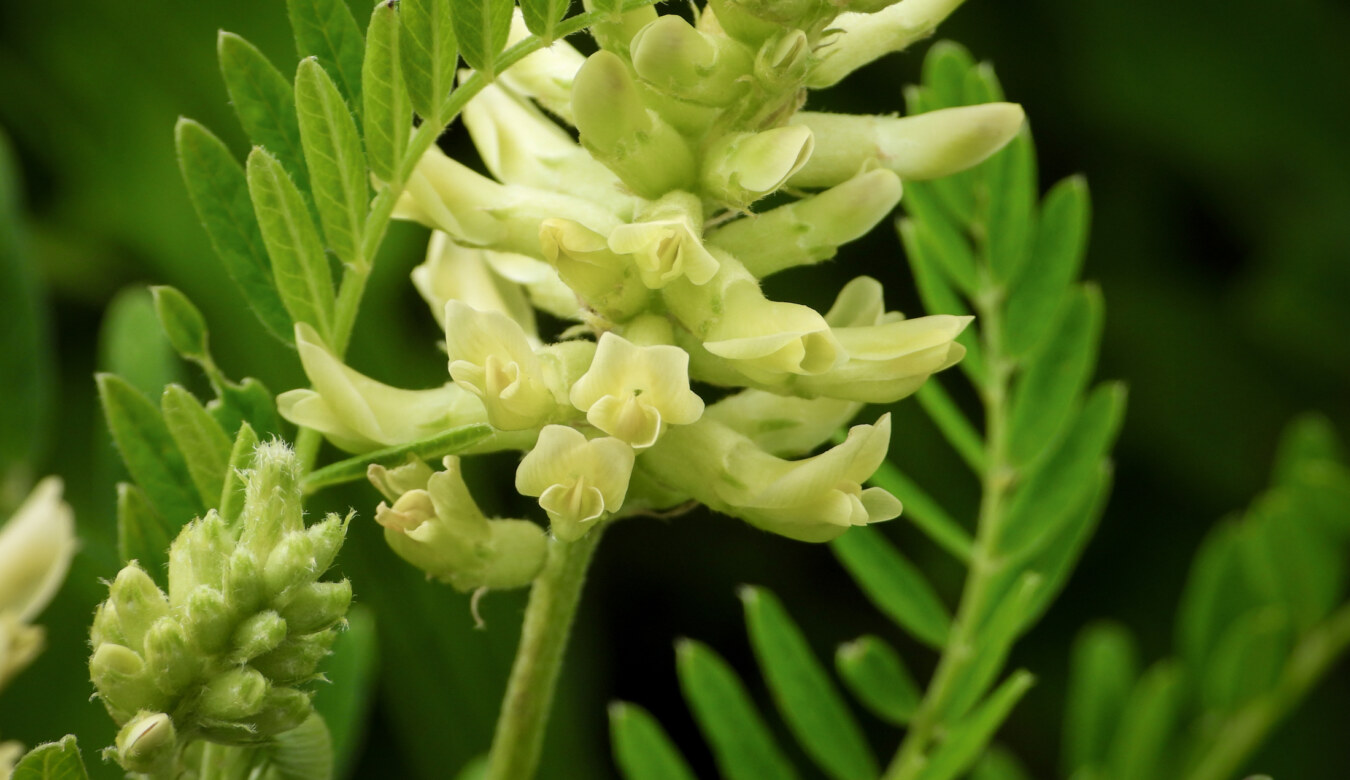
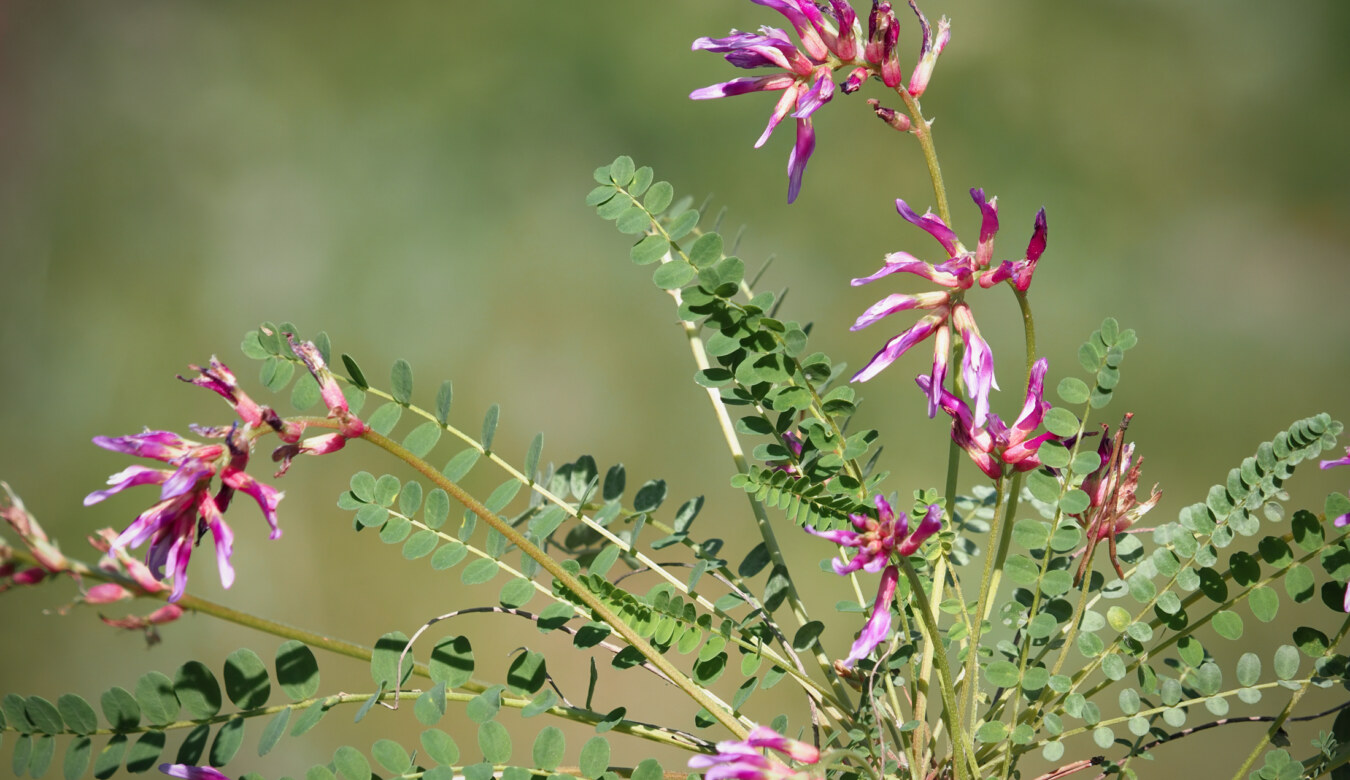
Where Astragalus restores through root and chemistry. These species are known for their medicinal properties, especially in traditional Chinese and Mongolian medicine.

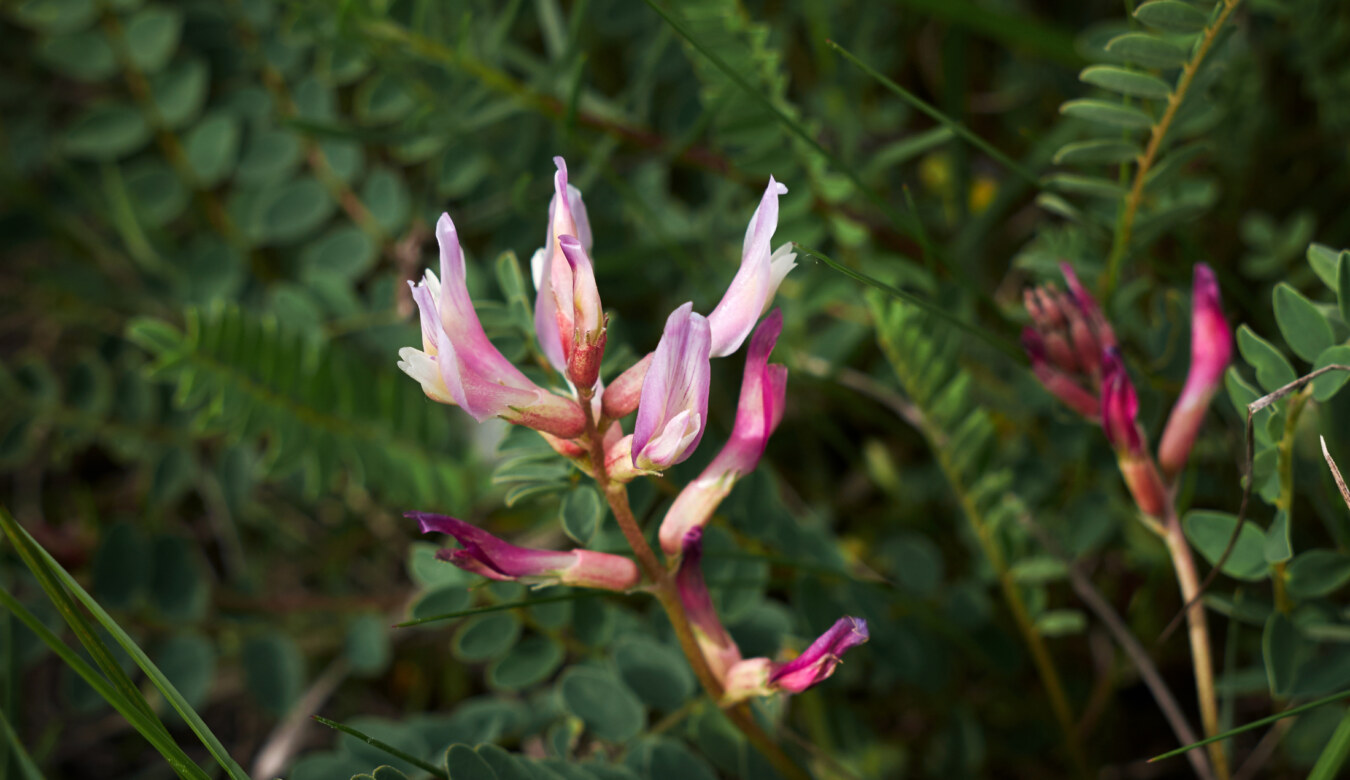
Where Astragalus threads through limestone and light. These species are compact, drought-adapted, and often endemic to southern Europe.

Where Astragalus nourishes through softness and sprawl. These species are palatable, sprawling, and often used in forage or soil restoration.

Where Astragalus seals and protects through gum and grit. These species produce gum tragacanth, used in food, medicine, and art.

Where Astragalus blur boundaries, shift names, or live in botanical ambiguity.
back to Astragalus
Home Garden Section 6 Astragalus